Moving in Colorado is a unique adventure, especially when pets are along for the ride. From the high altitudes of mountain towns to the urban bustle of the Front Range, relocating across the state involves more than just boxing up your belongings. It means keeping your animals safe, calm, and comfortable every step of the way. As a local Colorado moving company, Alpine Moving has helped hundreds of Colorado residents pull off moves that prioritize pet health and wellness.
Whether you’re moving from Denver to Durango, Fort Collins to Colorado Springs, or anywhere in between, we have real, local tips on how to plan a pet-friendly move tailored to Colorado’s terrain, climate, and lifestyle.
1. Schedule a Vet Visit to Prep for Altitude Changes
Before any big move, it’s smart to schedule a check-up for your pet. In Colorado, altitude is a particular concern. If you’re moving to a higher elevation, say from Pueblo (elevation ~4,700 ft) to Aspen (~8,000 ft), your pet will need time to adjust just like you.
What to Ask Your Vet:
- Signs of altitude sickness in pets (lethargy, vomiting, trouble breathing)
- Adjustments to medications or routines
- Vaccinations, especially for outdoor pets who may encounter wildlife in mountain areas
If your pet has respiratory or heart issues, let your vet know about your move well in advance.
2. Pack an Essentials Bag with Colorado’s Climate in Mind
The weather in Colorado can change dramatically even in summer. Pack a travel kit that accounts for a range of conditions.
Extras to Pack for Climate Comfort:
- Extra water (Colorado’s dry climate can dehydrate pets quickly)
- Portable bowls for food and water
- Pet sunscreen (especially for short-haired or light-skinned animals)
- Booties or paw wax for walking on hot pavement or icy trails
- A cooling mat for summer moves or an extra blanket for winter weather
If you’re driving through mountain passes or remote areas, be prepared to stay somewhere overnight in case of road closures or weather delays.
3. Update ID Tags and Microchip Info
Colorado is full of open space, dog parks, and hiking trails, which means lots of freedom for pets, but also a higher chance of them getting lost during or after the move.
Things to Do Before Your Move:
- Update your pet’s microchip with your new Colorado address and contact info
- Add a temporary tag with your cell number if your address isn’t final
- Include “Moved still settling in” on the tag if your pet is prone to wandering
Counties like Boulder and Jefferson have active animal control programs, so being traceable makes reunions much easier.
4. Choose Pet-Friendly Travel Routes
If you’re moving within the state, it’s easy to assume every route will do, but Colorado’s mountainous terrain and long stretches of remote highway can pose challenges.
Navigation Tips to Keep Your Journey Smooth:
- Avoid mountain passes with tight switchbacks if your pet gets motion sickness
- Plan rest stops in pet-friendly parks or scenic byways like I-70’s Glenwood Canyon or U.S. 285
- Check pet policies at hotels if you’re staying overnight some mountain lodges are surprisingly pet-welcoming, while others are not.
Apps like BringFido or AllTrails can help you find safe places for your pet to stretch its legs.
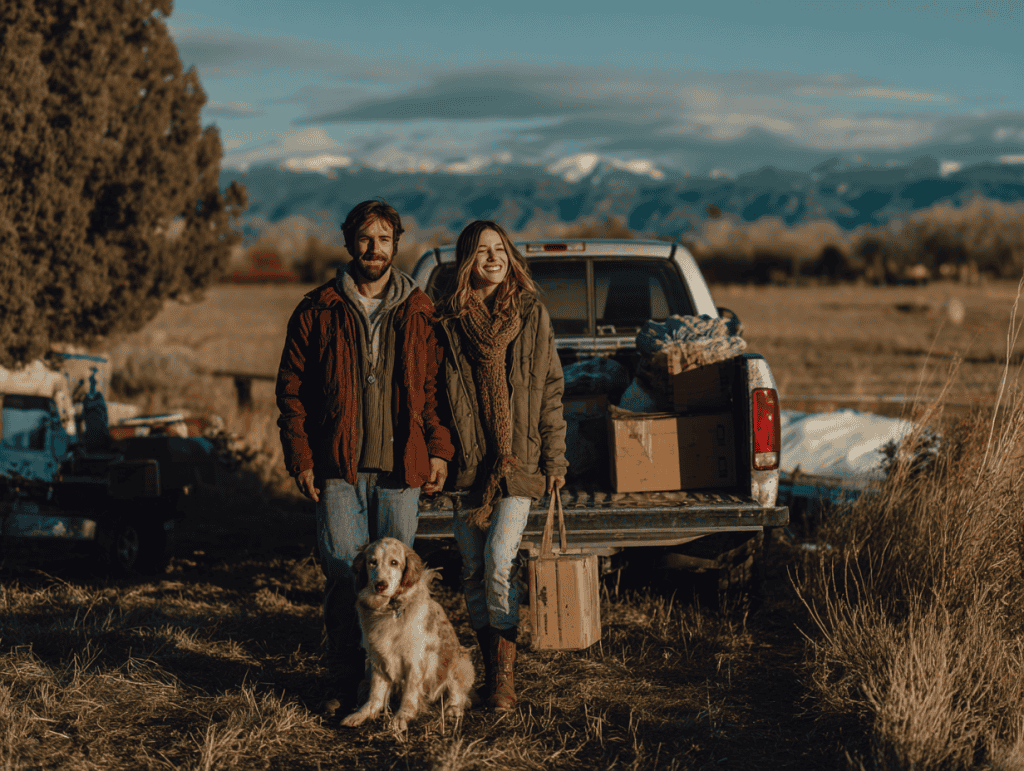
5. Secure Pets Safely for the Drive
Many Colorado moves involve longer travel times than you might expect, especially if you’re relocating to or from rural areas. It’s important to keep your furry friends safe and secure for extended drives. No one wants an anxious or uncomfortable pet!
Safety Gear for Pet Travel:
- Crates or pet carriers for smaller animals
- Harness seat belts for dogs
- Window shades to protect against sun exposure at high elevations
- Vet-approved Dramamine or calming aids for anxious pets
Keep windows rolled up in unfamiliar areas. Colorado wildlife, like deer, coyotes, and even bears, are known to wander near roadways, especially in foothill communities.
6. Watch for Wildlife and Outdoor Hazards
Post-move, your pet might be curious to explore their new surroundings. In Colorado, that comes with some extra precautions.
Outdoor Hazards to Keep an Eye On:
- Foxtails: These barbed grass seeds can burrow into fur, ears, or paws
- Rattlesnakes: Especially in drier parts of the state
- Predators: Coyotes, mountain lions, and birds of prey can pose risks to unsupervised pets
- Poisonous plants: Native species like larkspur and death camas are toxic if ingested
If you’ve moved to a rural or mountainous area, ask neighbors or your local vet about local wildlife risks. Many offer rattlesnake avoidance training for dogs. Colorado Parks & Wildlife also offers information to keep your furry friends safe.
7. Help Pets Adjust to Their New Home
Settling in takes time, especially in a new climate. Dogs might struggle with stairs in older homes with steep basements, while cats may be anxious in a new layout or with different light patterns.
Ways to Ease the Transition:
- Familiar bedding, toys, and routines
- Designated “safe zones” away from moving boxes and strangers
- Gradual introductions to outdoor spaces (use a leash or harness at first)
- Soothing background noise if the new area is louder or quieter than your previous home
For your outdoor pets, consider temporary fencing or a tether while they learn the boundaries of their new yard.
8. Register Locally and Learn Pet Laws
Colorado pet regulations vary by county and city. Your new area might require more or less oversight than your previous area. Before you move, take some time to figure out what you’ll need to do to comply with local laws.
Pet Laws to Look Into:
- Licensing requirements (some counties require annual registration and proof of rabies vaccination)
- Leash laws (strictly enforced in many cities and open spaces)
- Off-leash park access (Boulder, for example, has a “Voice and Sight” tag program)
Many neighborhoods also have homeowners’ association (HOA) rules about pet limits, fencing, and barking, know what applies to you.
9. Get Involved In Colorado’s Pet Communities
Colorado is one of the most pet-friendly states in the U.S., and tapping into local pet culture can make your transition more enjoyable.
Ways to Get Into Colorado Pet Culture:
- Dog parks in nearly every city and town
- Pet-friendly breweries and patios (common across the Front Range)
- Local Facebook groups or apps like Nextdoor to connect with other pet owners
- Outdoor meetups for hikers with dogs, pet yoga, or training classes
The sooner you get plugged into the local scene, the quicker your pet will feel at home, too.
10. Consider Pet-Friendly Moving Help
Pets should be one of your first priorities when prepping for a move, but that also means that the practical parts of the process can feel like an added burden. If managing your move and your pets feels overwhelming, look for movers experienced in pet-aware relocation who offer complete moving services.
At Alpine Moving Company, we understand how stressful moving day can be for both humans and animals. That’s why we offer a full suite of residential moving options, including packing and unpacking, specialty item moving, loading/unloading, and more. Our crews are trained to work carefully around pets, minimize disruptions, and keep your move organized from the first box packed to the last item unpacked so neither you nor your pets get overwhelmed.
Call on Alpine Moving to Make Moving With Pets a Breeze
Moving with pets in Colorado takes some extra preparation, but with the right approach, you can keep your animals safe, healthy, and happy from start to finish. Whether you’re crossing mountain passes or heading into the heart of Denver, remember that a bit of planning goes a long way for you and your four-legged family members. And if you need more moving tips or help getting started, don’t forget to explore our blog and download our Ultimate Moving Checklist.
Call Alpine Moving Company today or request your free quote online. We’ll help you get settled, tail wags and all.