Unpacking feels like the “easy part” until you’re standing in a maze of boxes, wondering where to start. The good news: you don’t need to power through everything in one day. With a little structure, a few smart habits, and a focus on the essentials, you can settle into your new place without the overwhelm.
Below is a practical, real-world unpacking guide inspired by what local movers like Alpine Moving see every week: the good, the chaotic, and the surprisingly easy fixes.
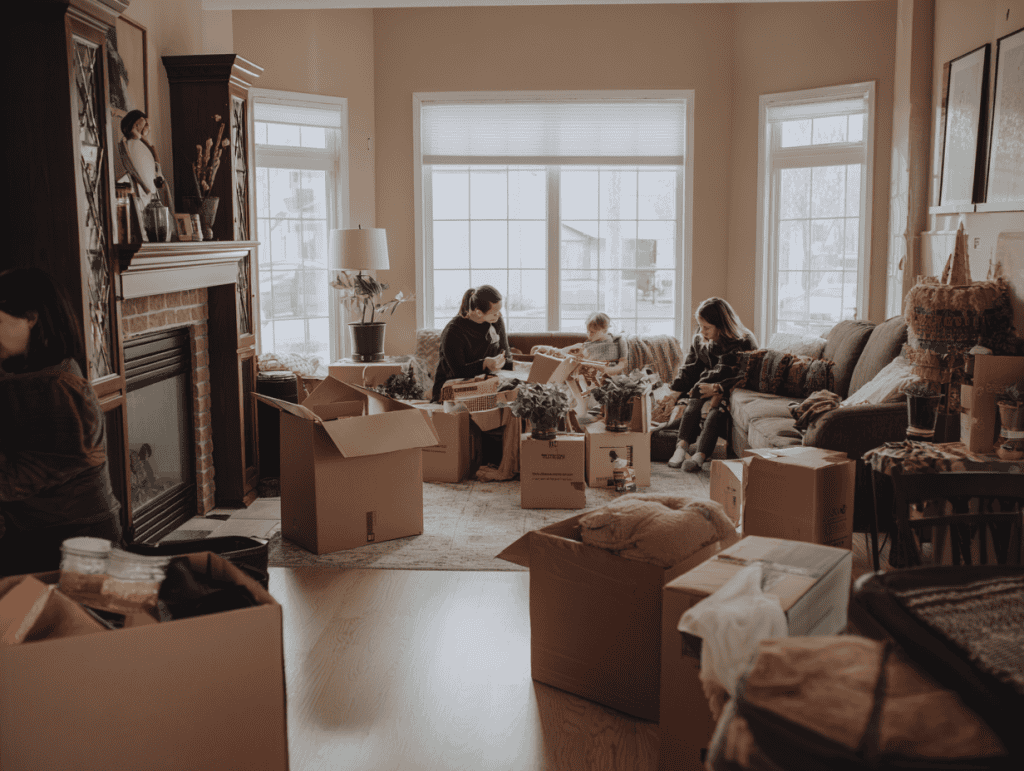
Start by Unpacking Your First-Night Items
Your first night is all about comfort and functionality. Before everything else, pull out:
- Bedding for each person
- Toiletries
- Medications
- Chargers
- A change of clothes
- Snacks and water
- Pet supplies
- Basic cookware (one pot, one pan, utensils)
If you made a first-night box, this part is a breeze. If not, open boxes labeled bedroom, kitchen, and bathroom until you track down the basics. Getting this done immediately sets the tone. You’re operating, not scrambling.
Move Box Piles Into Their Correct Rooms
A fast way to cut the overwhelm is to get boxes into the right rooms. Don’t open anything yet; just sort.
Kitchen boxes to the kitchen, bedroom boxes to the correct bedrooms, bathroom boxes to the bathrooms… You get the idea.
This removes the “where does this go?” guesswork before you even open a flap. It also keeps your main walkways clear so you can move around without playing hopscotch over cardboard.
If you book a full-scale residential mover like Alpine, your boxes get delivered directly into their proper rooms, meaning you’re already ahead. But no matter how your things get to your home, it’s still worth doing a quick sweep to make sure everything is where it belongs.
Unpack the Kitchen First (Even if It’s Not Perfect)
You don’t need a perfectly organized kitchen on day one. But getting the basics in place makes the whole house feel livable.
Start with plates, bowls, silverware, drinkware, and everyday pots and pans. Don’t forget the coffeemaker (always a morale booster) and accoutrements!
Skip the deep dives into junk drawers, specialty appliances, or everything you swore you’d sort “when you have time.” Keep it functional. You can fine-tune later.
Most movers agree: once the kitchen is usable, you instantly stop feeling like you’re camping.
Make Bedrooms Comfortable Next
A good night’s sleep does more for your energy than tackling five extra boxes.
Make beds first, even if the rest of the room looks like a storage unit. Then unpack clothing for the week, towels, laundry basics, and a bedside lamp or two.
Kids’ rooms can be handled the same way. If you have little ones, unpack a few familiar toys, blankets, or decor items early. Small things help new spaces feel safe.
Bathrooms Are Quick Wins
Bathrooms are usually the easiest rooms to set up, which gives you a much-needed sense of progress. Plus you’ll feel better knowing there’s a place to unwind at the end of a hard day unpacking. Make sure to unpack these essentials when you get home:
- Towels and bath mats
- Shampoo, soap, skincare
- Cleaning wipes
- Toilet paper (you’d be surprised how many people forget this)
- First-aid basics
Save the Living Room for Last
The living room is where most people get stuck: too many small decisions and too much furniture to shuffle around. Leave it for after the essentials are done. By then, you know how the home “flows,” which makes layout choices easier.
Start simple:
- Place the couch
- Set up the TV
- Add lighting
- Open one or two decor boxes
You can build the rest slowly over time.
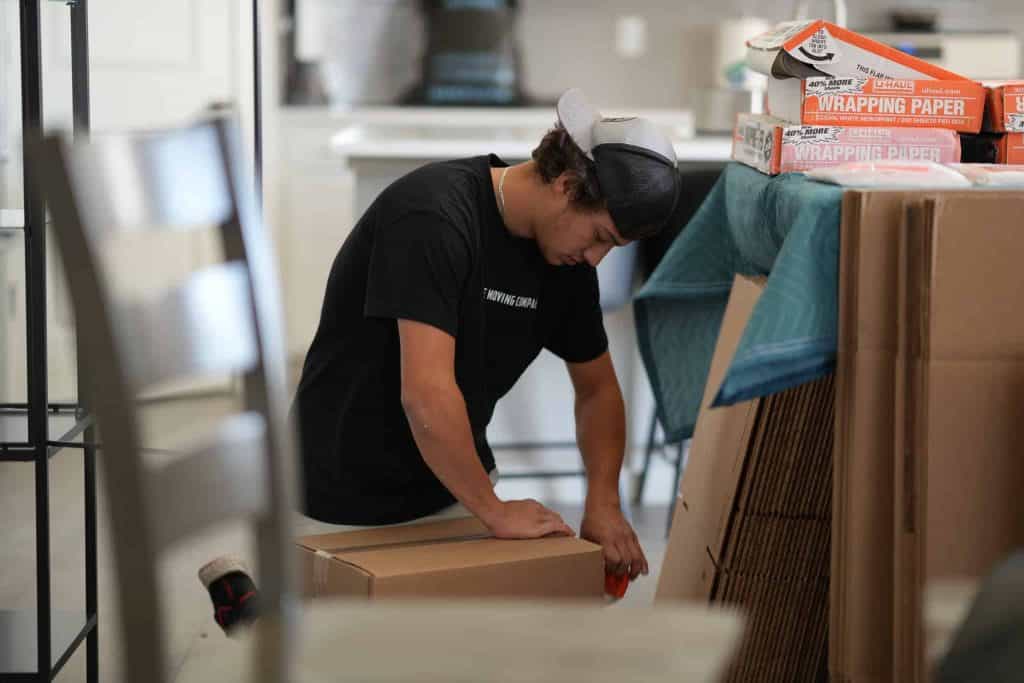
Real Advice For Handling the Unpacking Process
Schedule Time Blocks Instead of “Unpack Everything” Goals
Unpacking is easier when it isn’t a marathon. Give yourself structured blocks of time. Maybe you have 30 minutes before dinner or a few hours on a Saturday. Feeling ambitious? Schedule one room per evening to make tangible, visible progress.
Small, steady steps beat the all-day burnout approach. And if you live with multiple people, divide and conquer: assign each person a room or category (books, linens, electronics, decor) and watch the magic happen.
Declutter as You Go (Yes, Even Now)
Most people think decluttering ends when the move begins, but the unpacking stage is actually a perfect moment for it. You’re seeing your things in a new space with fresh eyes.
If something doesn’t have a place, doesn’t feel useful, or doesn’t fit the home, set it aside for donation, selling, or recycling. Moving in is a reset point. Take advantage of it while the house is still in transition.
Break Down Boxes Immediately
Nothing visually clutters a new home like empty boxes. Flatten them as soon as they’re empty and put them in a designated spot for recycling or pickup. It keeps your space open and makes your progress feel more real.
Lean on Labels and Inventory Sheets
If you labeled boxes by room or created an inventory list, use it intentionally during unpacking. Cross off items as you go. It reduces the “did we lose something?” stress and helps you see real movement.
If you didn’t label much this time, try to do it for your next move. Future you will be grateful.
Consider a Partial or Full Unpacking Service
Some moves land at the most inconvenient times: holidays, work deadlines, new baby, or just a short timeline. If you’re staring at the boxes knowing you won’t get to them for a week (or three), a packing/unpacking service can make a huge difference.
Pros can:
- Unpack by room
- Organize essentials
- Fold and hang clothes
- Set up kitchens
- Make beds
- Haul away boxes
You walk into a home that already feels functional, not a cardboard city. It’s not for everyone, but it’s worth considering if time or energy is tight.
Give Yourself Permission to Settle Slowly
There’s a difference between essential unpacking and “getting everything perfect.” The latter takes time, and honestly, it should.
Bookshelves, wall art, gallery arrangements, office decor… these are things you can spread out over weeks without disrupting daily life. Let the house unfold gradually. The more you live in it, the easier it is to make design choices that feel right.
Keep a Running List of “Fix Later” Items
As you unpack, you’ll notice loose ends: a missing screw, a shelf that needs cleaning, a space that needs a bin or a basket. Instead of letting these slow you down, jot them in a running list on your phone.
Then deal with them once the major unpacking is done. It’s a simple trick that keeps you from spiraling into side projects when you’re trying to get boxes open.
Take Breaks and Celebrate Small Wins
Unpacking isn’t just physical work, it’s mental load, too. Take breaks. Drink water. Go outside for fresh air. And when you finish a room, stop and appreciate it for a moment.
Progress feels more real when you acknowledge it.
Let Alpine Help You Settle In With Ease
Unpacking may take time, but getting to your new home shouldn’t. Alpine Moving Company is the local team people trust for moves across Northern Colorado. If you’re planning a move or want support with packing or unpacking, reach out today for a free, no-obligation estimate.
Looking for more packing and moving advice? Explore our full blog for more tips and download our moving checklist to help you prep with confidence.